
 EN
EN
The Science Behind Thermal Printing
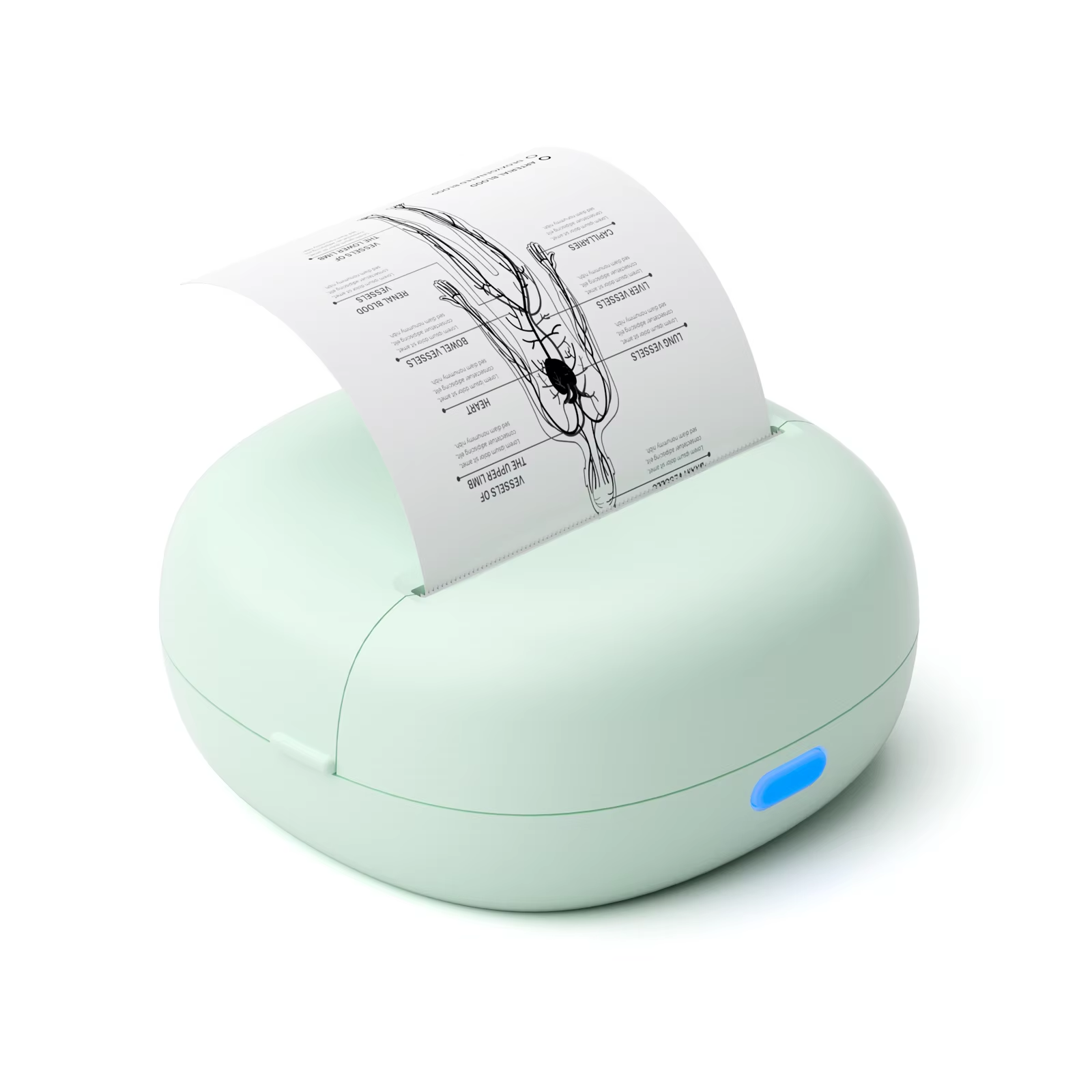
At its core, a thermal printer operates on a deceptively simple yet highly efficient principle: localized heat application. Unlike traditional laser or inkjet printers that rely on spraying liquid ink or melting toner powders onto media, a thermal printer utilizes a specialized printhead composed of thousands of microscopic heating elements. These elements are precisely controlled by a logic circuit, which selectively heats specific areas to create text, graphics, or complex barcodes. When this heated printhead contacts chemically treated paper, a controlled chemical reaction occurs, instantly darkening the paper to form a permanent image. This rapid, inkless process makes the thermal printer a cornerstone technology for modern retail, logistics, and mobile printing sectors. By removing mechanical complexities such as ink nozzles or moving toner cartridges, the thermal printer offers a streamlined solution where speed and mechanical reliability are non-negotiable for high-volume environments.
Direct Thermal vs Thermal Transfer
Understanding the distinct mechanisms is crucial for optimizing printing workflows. Direct thermal printing is widely recognized for its simplicity and cost-efficiency. By applying heat directly to heat-sensitive materials, it eliminates the need for expensive ribbons or cartridges, significantly reducing maintenance overheads. This makes it ideal for short-term labeling and receipt printing, where labels are used for a short duration. Conversely, thermal transfer printing introduces a thermal ribbon—typically coated with wax, resin, or a hybrid compound. The printhead melts the ribbon's coating, transferring the ink directly onto the substrate. This method produces exceptionally durable, high-contrast images capable of withstanding harsh environmental factors, such as extreme heat, moisture, or chemical exposure. Selecting the appropriate thermal printer technology requires a deep assessment of environmental constraints, label longevity requirements, and the total cost of ownership associated with different media types.
Why Precision Engineering Matters
Manufacturing high-quality printing hardware is far from trivial; it demands a synergy of advanced material science and rigorous mechanical calibration. In the production of a high-performance thermal printer, the contact pressure between the printhead and the platen roller must be perfectly uniform across the entire width of the print path. Even a microscopic deviation in this pressure or a slight misalignment of heating elements can result in faded text or inconsistent barcode scannability. Drawing from years of field experience in electronic component integration, it is clear that thermal management—preventing heat dissipation from damaging the surrounding plastics or sensitive PCBs—is the primary challenge that separates premium hardware from entry-level products. Advanced manufacturing processes ensure that the thermal dissipation is contained within the heating elements, thereby extending the service life of the printhead, a component that undergoes significant thermal stress throughout its operational lifespan.
Commercial Value and Efficiency
The commercial integration of thermal printing hardware drives efficiency in ways that extend far beyond mere cost reduction. By streamlining the supply chain with intelligent, connected printing devices, businesses gain the ability to generate real-time data tags and logistic labels on demand. This reduces downtime significantly compared to conventional printing methods that require frequent consumable replacement. Moreover, the shift towards a portable, high-speed thermal printer ecosystem allows for unprecedented flexibility in retail environments, mobile point-of-sale systems, and on-site warehouse management. The capability to print complex data sets with precision and high-speed throughput helps businesses minimize errors in labeling, directly impacting operational accuracy and customer satisfaction metrics. In an era where data traceability is vital, the consistency of the output from a reliable thermal printer serves as a critical bridge between physical inventory and digital management platforms.
Engineering Excellence and Global Solutions
As global demand for intelligent printing solutions continues to evolve, Luck Jingle stands at the forefront of this transformation. Through extensive investment in R&D and the acquisition of numerous invention and utility patents, Luck Jingle has established a robust manufacturing infrastructure that encompasses high-level assembly workshops and stringent quality testing protocols. Every product line is subjected to extreme endurance testing to ensure performance under varying environmental conditions. By maintaining complete control over the production cycle—from electronic component fabrication to final product assembly—Luck Jingle ensures that every thermal printer delivers consistent, industry-leading performance. As businesses seek to navigate the complexities of digital logistics and smart retail, leveraging reliable, partner-backed hardware becomes a key strategic advantage in building a sustainable and efficient future. The commitment to innovation ensures that clients receive not just a device, but a long-term printing solution tailored to specific industry needs.