
 EN
EN
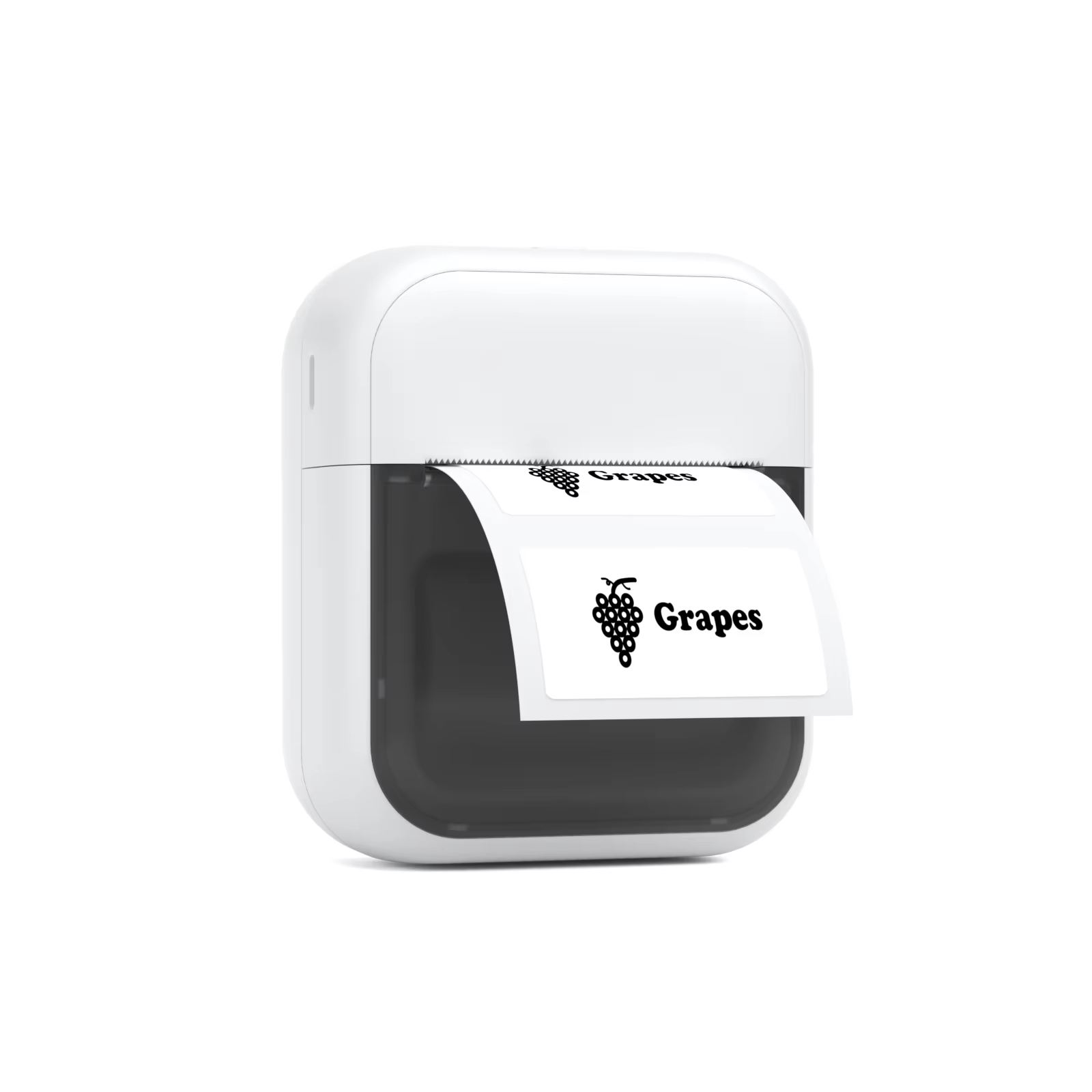
The Efficiency Edge: Why Direct Heating Transforms Mini Thermal Printer Performance
In the modern landscape of rapid, mobile-driven commerce, the demand for compact printing solutions has reached an all-time high. Whether it is for generating on-the-spot receipts in a retail store, printing shipping labels in a warehouse, or managing medical patient identification, speed and reliability are non-negotiable. At the heart of this revolution lies the mini thermal printer, a device that has redefined portable data output. Unlike traditional impact printers that require complex ribbons and cartridges, these compact machines utilize sophisticated direct heating technology. This approach is not merely a design choice; it is a fundamental shift in how portable printing equipment operates, offering unparalleled advantages in terms of maintenance, speed, and overall operational fluidity for businesses across various sectors.
Understanding the Precision of Direct Thermal Technology
The magic behind a high-performing mini thermal printer is the application of direct heating. This process involves a specialized thermal printhead that selectively heats specific areas of heat-sensitive paper, creating a permanent, high-contrast image without the need for ink, toner, or ribbons. From an engineering perspective, this simplicity is a masterpiece of efficiency. By removing the moving parts associated with traditional ink systems—such as nozzles that can clog or ribbons that can snag—direct heating significantly lowers the failure rate of the device. Professional analysis shows that this technology offers a higher resolution for text and barcodes, which is critical for scanner readability in logistics. For any business that demands high-precision output in a rugged or high-volume environment, the direct heating mechanism ensures that the quality of every print remains consistent, from the first label to the thousandth.
Practical Applications and Industry Experience
Across diverse professional fields, the implementation of a quality mini thermal printer has become a standard for optimizing workflow. In the logistics sector, field agents rely on these devices to print receipts and labels while on the move, drastically reducing the time spent navigating back to a stationary terminal. Retail businesses utilize the same technology to manage queue lengths during peak shopping hours, providing instant transaction proof without the clutter of bulky printer setups. Experience within the field confirms that businesses using direct thermal devices report lower operational downtime compared to those relying on legacy hardware. By minimizing the time spent on device calibration and maintenance, staff can devote their energy to customer interaction, turning a simple printing task into a value-added step in the customer service journey.
Maximizing Commercial ROI Through Reliable Hardware
Investing in hardware that utilizes advanced direct heating technology is a strategic move for long-term cost reduction. When businesses evaluate the total cost of ownership, the absence of consumables such as ink and ribbons represents a massive saving over the lifespan of a mini thermal printer. Furthermore, the compact design allows for better space utilization, which is a major factor for modern, small-footprint storefronts and mobile operations. High-level analysis indicates that companies that upgrade their printing infrastructure with reliable, energy-efficient thermal hardware see a noticeable increase in overall operational throughput. When a system is designed to work without mechanical complexity, the result is a seamless, professional experience that bolsters the brand reputation and keeps the business moving forward at full speed.
Luck Jingle and the Future of Thermal Engineering
When searching for the optimal printing solution, the manufacturing pedigree of the device provider is a critical factor for success. Luck Jingle has established itself as a frontrunner in the thermal printing industry by consistently pushing the boundaries of miniaturization and precision engineering. Through years of dedicated research and development, Luck Jingle has mastered the balance between compact form factor and high-performance heating efficiency. Their expertise in creating a robust mini thermal printer goes beyond just the assembly; it involves an end-to-end focus on supply chain transparency, quality control, and advanced software integration. By choosing Luck Jingle, businesses are not just purchasing hardware; they are securing a partnership with a company that understands the intricate demands of international B2B markets, ensuring that every unit serves as a pillar for future business growth and technical reliability.
Scaling Success with Professional Printing Solutions
Ultimately, the choice of a printing partner is an investment in the reliability of your daily operations. A superior mini thermal printer should be capable of handling the rigors of continuous usage without compromising on print fidelity. Luck Jingle prioritizes the integration of heat-management systems that extend the life of the printhead, ensuring that your investment provides a strong return over many years. As business environments continue to evolve toward higher automation and mobile connectivity, having a hardware partner that prioritizes technological innovation is essential. By selecting high-quality equipment designed for durability and ease of use, you position your organization to remain competitive, agile, and efficient. The commitment to engineering excellence demonstrated by Luck Jingle provides the peace of mind that your printing needs are met with the most advanced technical solutions available in the global market today.
Table of Contents
- The Efficiency Edge: Why Direct Heating Transforms Mini Thermal Printer Performance
- Understanding the Precision of Direct Thermal Technology
- Practical Applications and Industry Experience
- Maximizing Commercial ROI Through Reliable Hardware
- Luck Jingle and the Future of Thermal Engineering
- Scaling Success with Professional Printing Solutions