
 EN
EN
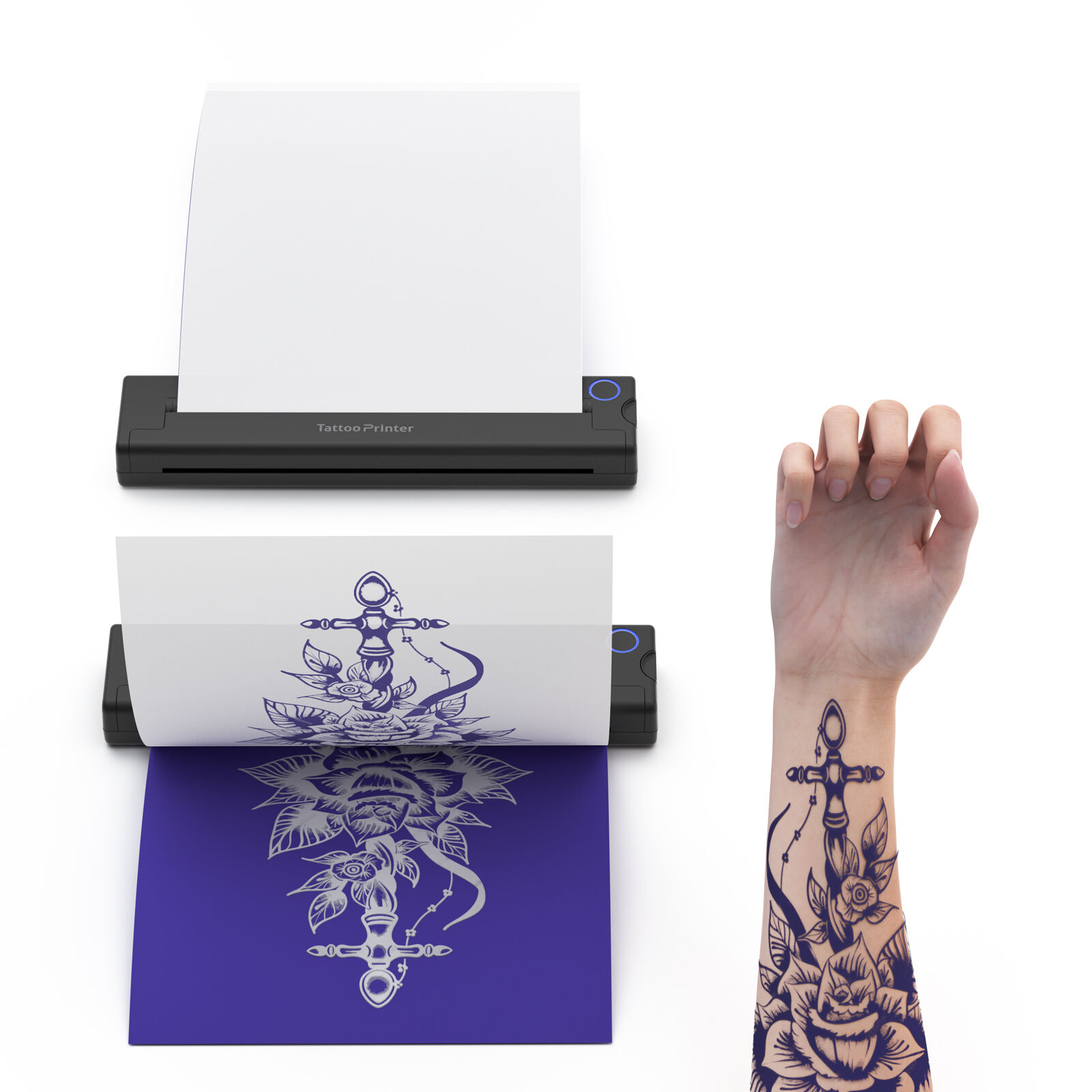
Why 203dpi Is the Gold Standard for Professional Tattoo Printers
The skin-transfer science: How 203dpi matches human epidermal texture and stencil adhesion thresholds
The average human skin texture measures between 200 and 250 microns per ridge according to Dermatology Research from 2023, which means 203dpi becomes the sweet spot for tattoo stencils. When printed at this density, the tiny dots line up nicely with those natural skin ridges, allowing for much better ink transfer when applying tattoos. If we go below this number, artists often see those annoying dot patterns showing through. Going above 203dpi isn't helpful either since it goes beyond what skin can actually absorb, leading to blurry lines and weaker stencils that fall apart too easily. What makes 203dpi work so well? The science behind it shows how the small holes in stencil paper match up perfectly with how our skin holds onto moisture. This prevents the paper from slipping around while the artist works on the design. Tattoo shops report needing about 40% fewer touch ups when they switch from anything under 200dpi to these properly calibrated stencils.
Avoiding over-resolution pitfalls: Why higher dpi (300+) causes thermal bleed, ink saturation, and transfer distortion
Exceeding 203dpi introduces three critical failures in tattoo printing:
- Thermal bleed: 300+dpi print heads overheat specialty stencil paper, melting wax layers and distorting fine lines
- Ink saturation: High-density dots flood paper fibers, causing bleeding that obscures fine details like hair strokes or micro-shading
- Transfer distortion: Overly intricate stencils fragment during skin contact"”57% of artists reported alignment issues in a 2024 Tattoo Tech Journal study
Thermal printers operating above 203dpi also clog 30% faster due to microscopic element residue buildup, increasing maintenance frequency and downtime. By contrast, 203dpi delivers crisp edge definition without exceeding material or physiological constraints.
Thermal Tattoo Printers: The Optimal Technology for 203dpi Stencil Accuracy
Instant-dry, smudge-free output: How thermal printing ensures consistent 203dpi fidelity on stencil paper
Thermal printing gets really good at making those detailed stencils at around 203dpi by using heat to activate special dye coated paper. What makes this different from regular printers is that there's absolutely no wet ink involved which means no smudges when someone grabs the print right away. Every tiny heating element works on just one dot, so everything stays exactly where it should be without dots bleeding into each other. The whole dry method keeps lines super sharp even for complicated artwork, and shops report about 40% fewer rejected stencils compared to traditional methods. Since these machines don't have all those moving parts in the print head area, they tend to stay stable over long print runs too, which matters a lot for busy commercial printing operations running multiple jobs back to back.
Thermal vs. inkjet: Resolution retention, media compatibility, and long-term reliability in high-volume studios
For professional tattoo studios, thermal printers beat inkjet models in several key ways that matter day to day. Let's start with print quality. Thermal systems maintain their 203dpi resolution even after printing thousands of designs, while inkjet nozzles tend to get clogged or fire inconsistently over time. This leads to those frustrating blurry lines and misplaced dots that nobody wants on skin. Then there's the issue of what kind of paper works best. Thermal tech handles regular stencil rolls just fine without needing any special coatings or moisture resistance treatments. Inkjets tell a different story though they require specific papers to prevent ink from bleeding through. The last big difference comes down to how reliable these machines actually are. Thermal printers have about 60% fewer moving parts than their inkjet counterparts, which means breakdowns happen far less often when running nonstop all week long. And this reliability adds up financially too most shops report spending around 30% less on maintenance each year with thermal equipment versus inkjet systems in busy environments.
Key Features to Demand in a Professional Tattoo Printer
Anyone who's serious about getting good results from their tattoo printer needs to focus on features that actually work well in real tattoo studios day after day. Thermal printing tech isn't just nice to have it's essential really because it creates those instant dry stencils that don't smear around. The heat activates special paper instead of relying on ink which means no more dealing with ink bleeding issues common with inkjet printers. Look for at least 203dpi resolution certification since this helps match up better with skin textures. It captures all those tiny details without warping them, unlike when some printers go too high with dpi settings and end up oversaturating everything. Media compatibility matters big time too. The machine should be able to run through standard stencil paper rolls without getting stuck, even when someone's been working straight through an entire session. Better quality machines come with things like automatic thermal head calibration and sensors that warn when paper is running low, so there's less waste overall. All these features combined cut down on how often people need to print again by about 40 percent according to recent industry data from 2024. And let's face it nobody wants to deal with bad transfers ruining perfectly good artwork.
Real-World Performance: How Top Tattoo Printers Deliver Consistent 203dpi at Scale
InkSoul T08FD Case Study: 37% Fewer Stencil Reprints and 99.2% Resolution Consistency Across 12 Studios
A multi-studio assessment of thermal tattoo printers operating at certified 203dpi revealed compelling operational efficiencies. Across 12 studios over six months, the InkSoul T08FD achieved 99.2% resolution consistency, reducing stencil reprints by 37% compared to legacy systems"”and cutting material waste and session interruptions accordingly. Critical success factors included:
- Precision thermal head calibration aligned to epidermal texture metrics
- Humidity-resistant media handling that prevents ink saturation
- Embedded error-correction firmware that mitigates distortion during prolonged use
When it comes to keeping those fine lines crisp in complicated stencil work, the 203dpi standard has been a real game changer. Art studios have seen impressive results too, with around 98% success rate on tricky spots such as ribs and ankles. These aren't easy areas to get right, especially when compared to traditional 300dpi printers which tend to run into problems with heat spreading out across the design. What makes all this so valuable is that consistent printing at 203dpi means fewer frustrating restarts during detailed projects like sleeves or full portraits. Artists actually save themselves about 15 minutes every single day just by avoiding those annoying do-overs.
FAQ Section
What is the ideal DPI for professional tattoo printers?
The ideal DPI for professional tattoo printers is 203dpi as it matches the natural texture of human skin and ensures precise ink transfer.
Why can a DPI above 203 be problematic?
A DPI above 203 can lead to thermal bleed, ink saturation, and transfer distortion, which can impact the quality of the tattoo stencil.
How do thermal tattoo printers compare to inkjet printers?
Thermal tattoo printers outperform inkjet printers in terms of resolution retention, media compatibility, and reliability, offering better quality and cost-effective maintenance.
What features should be prioritized in a tattoo printer?
Prioritize features like thermal printing technology, 203dpi resolution certification, and compatibility with standard stencil paper rolls for effective tattoo printing.