
 EN
EN
Why Mini Printers Solve Core Plant Labeling Challenges
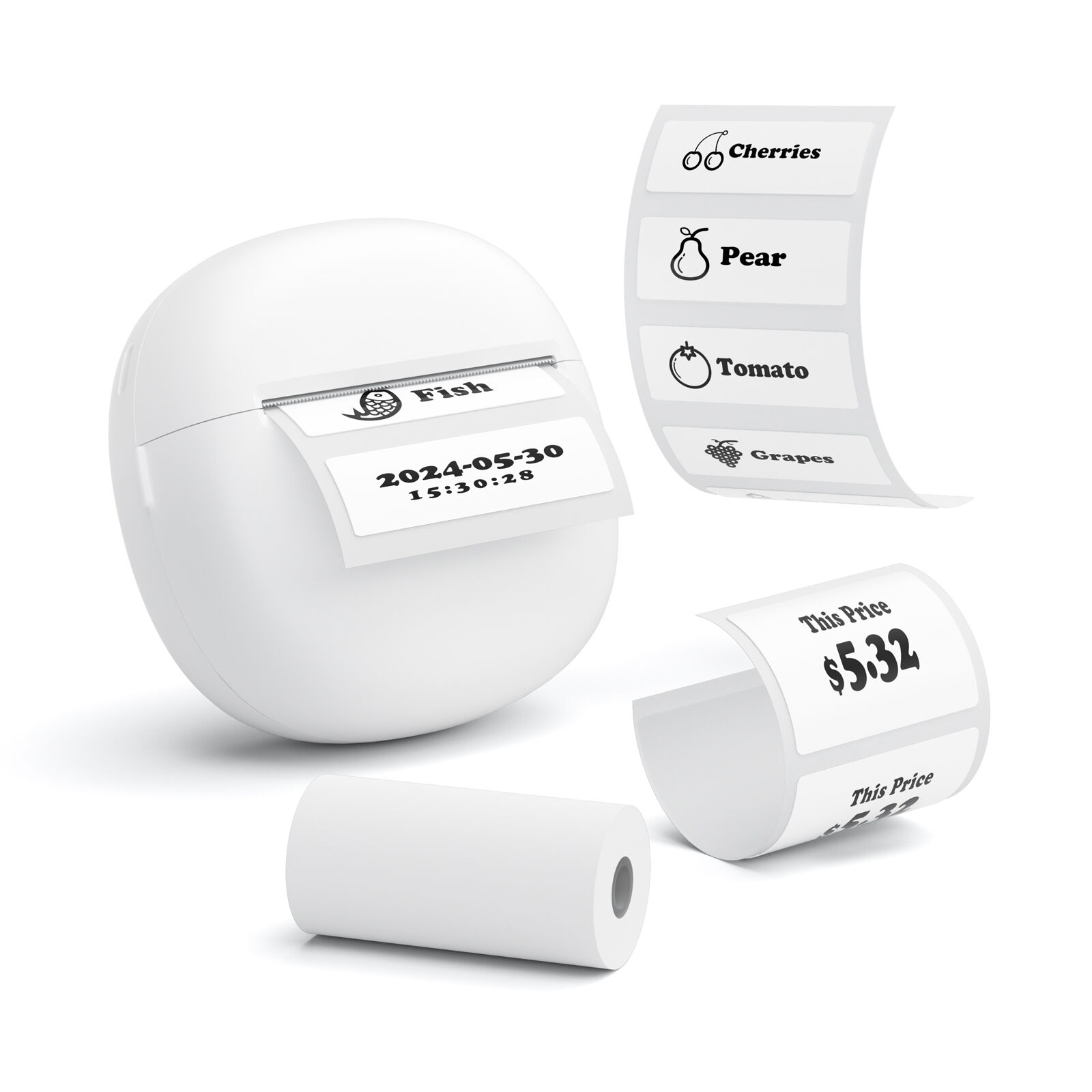
Identifying plants correctly is a real headache for garden enthusiasts and professional growers alike. Handwritten labels often smear after just a few weeks, and those factory printed ones quickly go out of date as plants grow bigger or get moved around somewhere else. According to a study published in Horticultural Science Journal last year, mistakes happen over 27% of the time in botanical collections because of this problem, which leads to all sorts of issues from wrong plant propagation to losing track of important cultivation records. Mini printers tackle these problems head on by letting people print labels right when needed. These little devices create tough tags that resist weather damage, display clear scientific names, include handy QR codes that connect to online care instructions, and even feature special icons showing light requirements or watering schedules. The best part? They handle tricky Latin names consistently and make updating information super easy whenever plants need relocating or splitting up. Plus, since these portable machines work great in greenhouses or out in fields, there's no lag between what gets recorded digitally and what actually grows in the soil. Made with smudge resistant materials like polyester or vinyl, the tags stand up against sun damage, water splashes, and extreme temperatures throughout whole growing seasons without fading away.
Choosing the Right Mini Printer for Horticultural Labels
Material Compatibility: Vinyl, Polyester, and Waterproof Tag Support
The first step toward durability is picking the right materials. Vinyl works well when budget matters most and we're talking about temporary applications. Polyester stands out though because it handles wear and tear better plus resists chemicals, making it great for labels that need to last through seasons. When looking at waterproof options, find printers that work with synthetic materials and have those strong adhesives similar to what 3M makes. These stick around even when temperatures swing between really cold (-20 degrees Celsius) all the way up to hot conditions (around 80 degrees). Stay away from labels made with cellulose content completely since they tend to fall apart quickly if left outside where moisture and sunlight are constant issues. Before buying anything, double check whether the printer actually supports synthetic media rather than just regular paper stock. That little detail makes a big difference in getting consistent results over time.
Thermal Transfer vs. Direct Thermal: Durability Trade-offs for Outdoor Use
Printing technology determines label lifespan in horticultural settings:
- Thermal transfer uses a resin ribbon to fuse ink onto the tag surface, yielding UV-, moisture-, and chemical-resistant prints that retain legibility for three years or more outdoors. Itâs the standard for permanent plant collections and botanical institutions.
- Direct thermal relies on heat-sensitive coatings, offering lower upfront costs but limited longevityâfield studies show 72% of such labels become unreadable within eight months under daily sunlight exposure.
For variable climates or long-term applications, thermal transfer is strongly preferred. Botanical gardens using this method report 60% fewer re-labeling incidents compared to direct thermal systems, according to 2023 horticultural operations data.
Ensuring Long-Lasting Legibility of Plant Variety Labels
UV, Moisture, and Temperature Resistance: Real-World Durability Benchmarks
Garden labels face serious environmental challenges daily. Sunlight breaks down most inks over time, while damp conditions lead to smudges or peeling adhesives. Temperature extremes also take their toll – labels can become brittle during cold winters or start flaking off when exposed to the intense heat inside greenhouses during summer months. Materials made from synthetic options such as polyester treated for UV resistance or durable vinyl work much better than regular paper does. Lab tests show these materials keep their readability at around 95% even after sitting in direct sunlight for about three years straight. Thermal transfer printing takes things one step further by actually fusing special resin-based ink molecules directly onto the material surface. This creates labels that stand up well against accidental fertilizer spills, changes in humidity levels, and all the wear and tear from everyday garden use. Anyone needing to meet regulations or track important plant information should definitely look for labels with ISO 18902 certification. This international standard basically means the label has been tested to survive what would happen outdoors over five full years.
Optimal Print Resolution for Latin Names, QR Codes, and Care Symbols
Getting things right on paper matters a lot when we're dealing with scientific names like Echinacea purpurea, those tiny 1cm squared QR codes, or those little care symbols everyone overlooks until something breaks. Anything below 300 DPI starts making letters look fuzzy and messes up how symbols appear, which can lead to all sorts of mistakes later on. Take QR codes for machines to read - going for at least 600 DPI makes sure they still work properly even if someone accidentally scratches them or corners get worn down over time. Anyone looking at small printers should check what quality they actually produce before buying. Some claim great specs but deliver disappointing results when it comes to fine details.
- Thin-serif Latin names at 4pt font size without pixelation
- High-contrast sun/shade or watering symbols at small scales
- Micro-codes with sharp edges and no ink bleed
This precision safeguards data integrity across a plantâs full growth cycleâand prevents costly, time-consuming re-labeling.
Practical Workflow Integration: From Garden to Mini Printer
Adding a small portable printer really makes things run smoother for garden work from start to finish. When checking plants or moving them around, the mobile app lets growers record all sorts of info about each specimen species, specific cultivars, special care instructions, even those handy QR codes that link back to databases. Then right there on site they can print out tough little tags made from water resistant materials like polyester or vinyl. The folks who did some research last year found that this instant method cuts down on mistakes where people mix up what plant is what by almost two thirds when compared to old fashioned pen and paper records according to their Horticultural Efficiency findings.
When cloud sync connects field work with office tasks, updating care instructions becomes effortless. Make one change and every reprint automatically shows the latest version, so nurseries won't accidentally send old info to clients anymore. These small thermal printers designed for mobile use slip right into tool belts or onto greenhouse carts, letting workers tag plants instantly while propagating, potting up new stock, or checking inventory counts. With special labels that stand up to rain and sun exposure, the printed tags stay clear and professional looking even when used outside during watering sessions or in direct sunlight. Time spent on labeling drops by around 70 percent according to nursery reports, giving growers back hours each week that can now go toward actually tending plants instead of chasing down missing labels or correcting errors in plant records.
FAQ
What are the main advantages of using mini printers for plant labeling?
Mini printers provide durability, real-time labeling options, weather-resistant tags, and easy updates and relocations, making them highly effective for plant labeling challenges.
Which materials are best for creating long-lasting horticultural labels?
Polyester and vinyl are the best materials for horticultural labels due to their durability, resistance to chemicals, sun damage, and extreme temperatures.
How does thermal transfer printing compare to direct thermal printing for outdoor labels?
Thermal transfer printing, using a resin ribbon, offers long-lasting, resistant labels ideal for permanent collections, whereas direct thermal printing, using heat-sensitive coatings, provides lower durability.
What is the importance of print resolution for plant labeling?
A high print resolution, like 300 DPI or more, ensures clarity and accuracy for scientific names, QR codes, and care symbols, preventing errors and misinterpretations.
How do mini printers integrate into the horticultural workflow?
Mini printers enable direct and efficient on-site archiving of plant information via mobile apps, providing quick labeling and data integration through cloud sync, improving operational efficiency.
Table of Contents
- Why Mini Printers Solve Core Plant Labeling Challenges
- Choosing the Right Mini Printer for Horticultural Labels
- Ensuring Long-Lasting Legibility of Plant Variety Labels
- Practical Workflow Integration: From Garden to Mini Printer
-
FAQ
- What are the main advantages of using mini printers for plant labeling?
- Which materials are best for creating long-lasting horticultural labels?
- How does thermal transfer printing compare to direct thermal printing for outdoor labels?
- What is the importance of print resolution for plant labeling?
- How do mini printers integrate into the horticultural workflow?