 EN
EN
Accelerating Stencil Creation with Tattoo Printers
Eliminating Manual Tracing and Reducing Skill-Dependent Labor
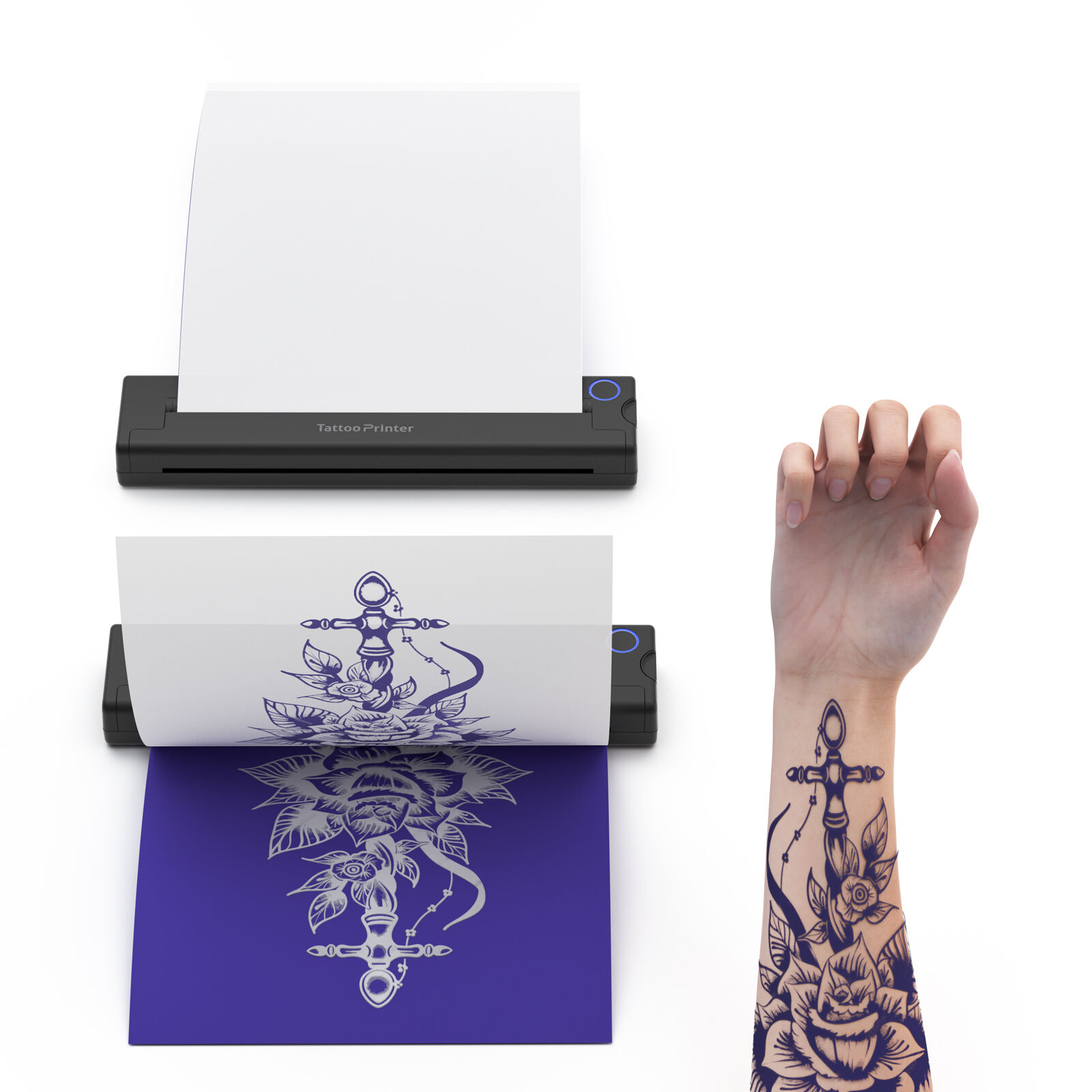
Making stencils the old fashioned way takes forever with all that careful hand tracing. And let's face it, people get tired, make mistakes, and everyone has different levels of skill when doing this manually. Tattoo printers completely change the game here. They spit out accurate stencils in less than two minutes no matter if someone is just starting out or a seasoned pro. Manual tracing used to eat up anywhere from 15 to 45 minutes per design. Now artists actually have time to work on the tattoo itself, talk with clients, and really refine their artistic vision. For newbies especially, this means they can tackle complicated designs without worrying about messing up the stencil first. Fewer tracing errors also means way less wasted materials in the shop. One studio reported needing to redo stencils only 30% of the time after switching to printers, which makes everyone in the shop happier overall.
Cutting Client Wait Times and Streamlining Pre-Tattoo Workflow
When stencils take forever to prepare, it really throws off the whole studio rhythm and gets clients annoyed, particularly folks who have packed schedules or worry about getting inked. Tattoo printers cut down on waiting time before application by somewhere between half and four fifths, so artists can move right from talking about designs to actually putting needle to skin. The quicker setup means studios can handle more customers throughout the day while still keeping things looking good. Digital workflows these days let artists get final approval on designs and print them out straight away, which takes away all that hassle of moving between steps. Think about someone doing a sleeve or big piece on their back that needs several sessions. With printers, every part matches up perfectly from one appointment to the next. No need to guess where lines should go or fiddle around trying to line things up again manually.
Ensuring Precision, Reproducibility, and Design Integrity
High-Fidelity Digital Stencil Output vs. Hand-Drawn Variability
Digital tattoo printers take artwork files and turn them into stencils with incredible precision at the micron level. This means those annoying issues we see with hand-traced designs just disappear completely. When someone gets tired during tracing, their hand might shake or apply uneven pressure, which messes up the final result. But with these machines, none of that matters anymore. Artists can now reproduce intricate lines, perfect geometric shapes, and even realistic textures right onto skin without all the problems that come with doing it by hand. Studies show clients need about 40 percent fewer touch ups when using this method versus traditional techniques. The real magic happens because vector graphics maintain every curve and dimension exactly as intended. So what does this mean for tattoo artists? Less guessing around, no more trying to eyeball things correctly, and definitely no need for fixing mistakes after transferring the design.
Maintaining Consistency Across Revisions and Multi-Session Projects
Digital stencils don't change once created. Their alignment guides, layer markers, everything stays exactly where it should be no matter how many times they get printed. Hand drawn stuff tells a different story though. Every time someone erases something or moves paper around, details start getting lost. Digital copies just keep working perfectly session after session, even if there's weeks or months between appointments. For big tattoos that need parts done over time, this kind of consistency makes all the difference. Tattoo shops actually see about 30 percent fewer problems with alignment when using digital methods for these extended projects. Makes sense really. Clients feel better knowing their artist can deliver what was promised across multiple visits without surprises down the road.
Seamless Integration of Tattoo Printers into Modern Studio Workflows
Contemporary tattoo studios operate at a digital cadence— and effective tools must integrate without friction. Tattoo printers bridge the gap between concept and application through intelligent, low-latency connectivity.
Wireless Connectivity, Bluetooth Pairing, and Mobile App Ecosystems
Printers with Bluetooth connectivity work really well with tablets and phones these days, so artists can actually send their finished designs straight from their mobile devices during consultations. The accompanying apps allow for on the spot changes, queue up prints remotely, and keep client portfolios synced across the cloud. According to some research from last year, this cuts down waiting periods between clients by around two thirds. Smaller printer models play nicely with studio management software too, automatically pulling up client files without anyone having to hunt through folders manually. This saves time and frustration when multiple projects are running at once.
Direct Digital Transfer from Design Software to Printer — No File Conversion Delays
The best systems let artists print directly from their illustration apps like Procreate, Adobe Fresco, and Affinity Designer without needing to convert files first. What does this mean? Well, it keeps all those vectors looking sharp, prevents those annoying pixelated edges, and stops things from getting out of whack when moving between formats. Artists tell me they save around 15 minutes on each stencil project, which really adds up when working on detailed designs or realistic portraits. According to Tattoo Tech Journal from last year, studios that switched to these direct printing methods saw about 40 percent fewer problems with alignment when applying tattoos. Makes sense since nobody wants their artwork distorted after all that hard work.
Choosing the Right Tattoo Printer for Long-Term Studio Efficiency
Choosing the right tattoo printer isn't just about getting an upgrade it's actually a big strategic move for any studio. Look for machines that have shown they can last long without breaking down often. According to recent industry reports, good quality printers cut down on unexpected shutdowns by around 30% compared to cheaper options. When shopping around, focus on three main things first: print quality needs to stay consistent especially important when doing those detailed lines, how much ink gets used over time, and whether all the parts are built to withstand regular use. Make sure whatever printer you pick works smoothly with whatever design programs you already use day to day this saves so much headache later on. Wireless capability might seem like extra but trust me, it pays off in the long run. Tattoo shops that align their printer specs with what kind of work they do tend to keep clients coming back more often. Those who handle lots of quick flash tattoos versus studios doing intricate custom pieces see about 22% better customer retention rates because their prints look professional every time. At the end of the day, investing in a solid printer does more than just save money it actually becomes part of what makes the whole operation run better and helps artists produce consistently great work.
FAQ
What are the benefits of using a tattoo printer?
Tattoo printers reduce manual tracing time, lower skill dependency, cut client wait times, ensure precision, reproducibility, and design integrity, and seamlessly integrate into modern studio workflows.
How do tattoo printers affect the tattoo process?
They accelerate stencil creation, improve accuracy, maintain consistency across revisions, simplify wireless connectivity, and facilitate direct digital transfer without file conversion delays.
What should I consider when choosing a tattoo printer?
Consider the print quality, ink usage, durability, compatibility with design programs, and whether it meets the studio's specific needs, such as wireless capability and digital integration.