
 EN
EN
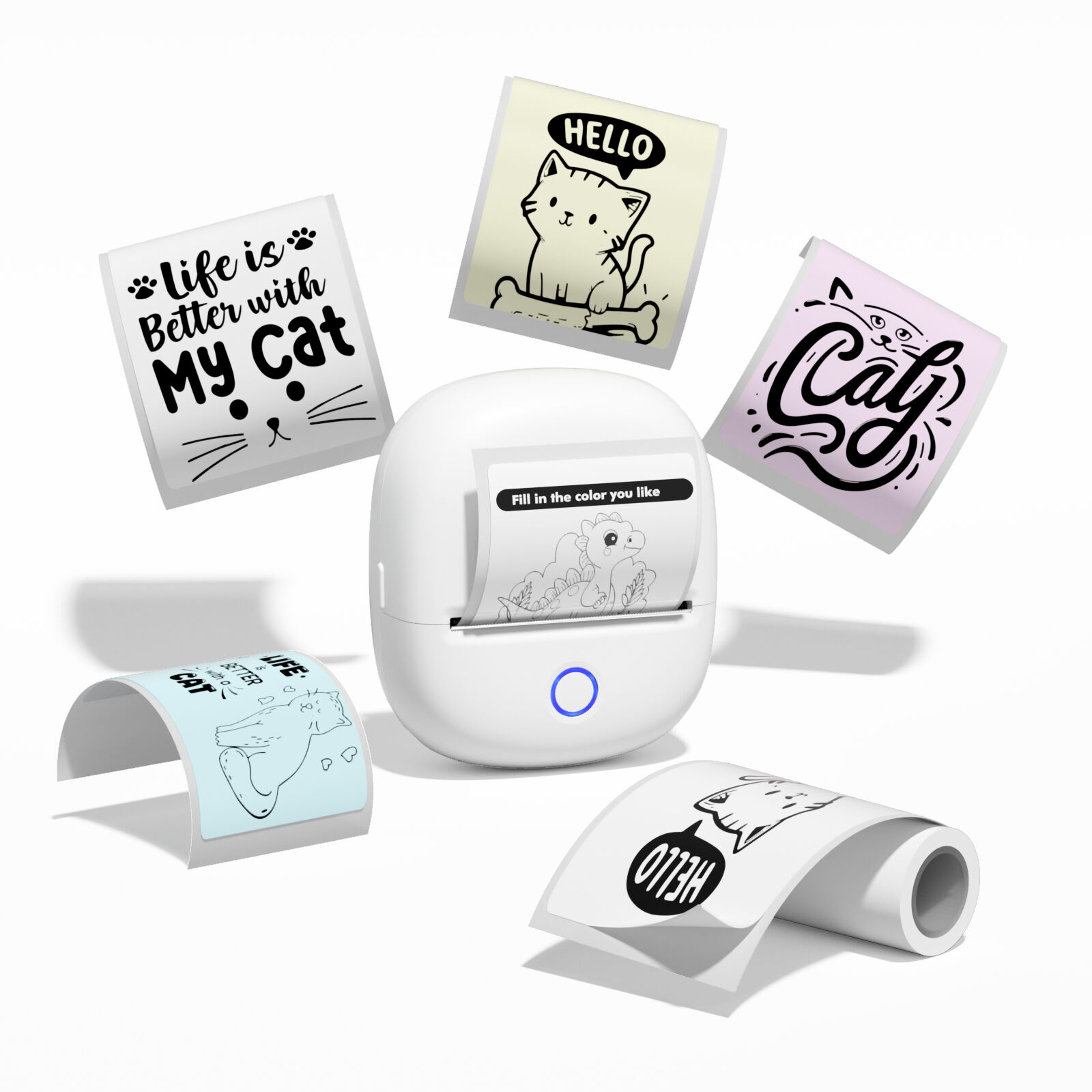
Why Mini Printers Are Essential for Bakery Labeling Compliance
Meeting FDA and USDA Requirements for Allergen, Ingredient, and Expiration Date Disclosure
The rules around labeling in bakeries are pretty strict when it comes to FDA and USDA regulations. Every package needs to show what allergens are present, list all ingredients clearly, and have correct expiration dates. If bakeries get this wrong, they could face fines as high as $50k for each mistake plus damage to their reputation that takes years to fix. That's where mini thermal printers come in handy. These devices let bakers print FDA approved labels right at their workstations during preparation or packaging, which cuts down on mistakes from hand written notes that often get smudged or misread. Allergen warnings matter a lot since roughly 32 million people across America deal with food allergies daily. Thermal printed labels stay clean even when exposed to moisture, so they work well in those damp bakery kitchens where traditional labels would fade away quickly. Plus, being able to print expiration dates in real time helps reduce waste significantly. According to recent studies done by independent food safety experts, this approach actually lowers early disposal rates by about 18% compared to older methods.
Thermal vs. Inkjet Mini Printers: Food-Safe, Smudge-Proof Output for High-Humidity Environments
When it comes to bakeries, where the air tends to get pretty humid most of the time (around 60 to 80% relative humidity), labels just have to hold up. Thermal mini printers actually work better than those inkjet machines because they use special heat sensitive paper rather than regular ink. No more worrying about smudges, blurry text, or chemicals leaking from ink cartridges either. These thermal printers produce labels that meet FDA standards and can handle all sorts of messiness including moisture, greasy splatters, and even temperatures as high as 104 degrees Fahrenheit. Inkjet printers tell a different story though. The text gets distorted when exposed to steam, and these machines need constant cleaning and cartridge replacements. Real world data shows something interesting too. Bakeries that switched to thermal mini printers saw about 40% fewer times they had to reprint labels, and almost no issues popping up during those USDA checks.
Labeling Diverse Baked Goods with Compact Mini Printers
Adapting Mini Printers to Tapered Containers, Clamshells, and Shrink-Wrapped Pastries
Bakeries today wrap their products in all sorts of packaging these days - think tapered muffin cups, glassine bags, those hard plastic clamshell containers, even pastries wrapped in polyethylene film. This variety means they need labeling solutions that can stick anywhere. Thermal mini printers are pretty good at this job since they use those super thin labels that actually bend around curves and angles, sometimes even up to about 45 degrees off straight. The clamshell stuff is another story though. Those peel-and-present systems really matter because the labels have to hold fast through all that condensation that builds up in damp bakery environments. Direct thermal printing works wonders too for getting clear prints on those slippery surfaces where moisture tends to collect, especially important for things like shrink wrapped croissants that just refuse to stay dry. When it comes time to pick labels for cold storage, don't forget to check how they perform in sub zero temps, ideally down around minus 20 degrees Fahrenheit. Otherwise those labels might crack or lose their stickiness completely, which becomes a big problem when inventory goes through its usual seasonal spikes.
Case Study: Regional Bakery Achieves 92% Fewer Labeling Errors Using a Portable Mini Printer
The Maple Street Bakery in Des Moines solved their ongoing problem with handwritten mistakes when they brought in a small portable thermal printer for their packaging line. Before this change, employees had to write out ingredient lists and expiration dates by hand for all 78 different products they sold. This led to plenty of mix-ups, particularly when they switched out seasonal items like pumpkin spice loaves or holiday cookies. Once the new system was running, things changed quite a bit. The recipes on their computers now matched exactly what appeared on the actual product labels. They could print expiration dates that adjusted based on how sensitive certain baked goods were to moisture levels, which mattered a lot for delicate treats such as macarons. And during busy mornings when orders piled up fast, staff just needed to press a button to get fresh copies printed right away. Looking at records after implementing these changes showed major progress in several important areas related to food safety standards and regulatory requirements.
| Metric | Pre-Implementation | Post-Implementation |
|---|---|---|
| Allergen disclosure errors | 14% | 0.8% |
| Ingredient mismatches | 9% | 0.7% |
| Expiration date accuracy | 87% | 99.3% |
The resulting 92% reduction in labeling errors freed staff for value-added quality control tasks—and eliminated FDA warning letters over an 18-month period.
On-Demand Customization: Variable Data Printing for Fresh-Baked Goods
Real-Time Label Generation for Batch Numbers, Net Weight, and Dynamic Expiration Dates
Mini thermal printers support variable data printing (VDP), enabling bakeries to generate fully compliant labels the moment goods exit the oven—no pre-printing required. VDP dynamically updates key fields:
- Batch/lot numbers, enabling traceability to the source within seconds during recalls
- Net weight, automatically adjusted post-bake to account for moisture loss during cooling
- Expiration dates, calculated from actual bake time (e.g., a cinnamon roll baked at 8:30 AM displays a same-day 3:30 PM expiry)
This real-time precision reduces mislabeling risk by 47%, per 2023 Food Safety Magazine audit data. When integrated with digital scales and POS systems, thermal mini printers ensure every item—from almond croissants to gluten-free muffins—displays accurate, regulation-ready information at the point of packaging.
Top Mini Printers for Bakeries: Performance, Reliability, and Integration
Getting the right mini printer makes all the difference when it comes to creating clean, legal labels without headaches. The best ones can print at around 6 inches per second with industrial strength thermal tech that creates sharp labels which won't smear even in those damp proofing areas or flour filled spaces. Look for printers with an IP rating of at least 54 so they resist both dust and water droplets, keeping them running reliably about 99.5% of the time near those wash down areas and dough mixing spots. Most efficient bakeries find their mini printers work great with existing point of sale systems and bakery management software through either Bluetooth 5.0 connections or USB-C ports. These integrations let the system automatically adjust label sizes based on product weights and keep track of how long different items stay fresh on shelves. Works well whether making regular sourdough bread or fancy pastries that need special handling.
FAQ
Why are mini printers important for bakeries?
Mini printers are essential for bakeries to ensure proper labeling, comply with FDA and USDA regulations, reduce errors, and increase efficiency in printing allergen disclosures, ingredient lists, and expiration dates directly at the workstation.
How do thermal printers differ from inkjet printers in bakery environments?
Thermal printers are preferred in bakery environments because they use heat-sensitive paper instead of ink, making them smudge-proof, moisture-resistant, and reliable for high-humidity settings, whereas inkjet printers are prone to smudging and require regular maintenance.
What types of packaging can mini printers handle?
Mini printers can adapt to a variety of packaging types including tapered containers, clamshells, shrink-wrapped pastries, glassine bags, and more, thanks to their ability to print flexible labels that stick well under different temperature and moisture conditions.
How do mini printers aid in food safety and labeling accuracy?
Mini printers support features like variable data printing, which allows real-time updates of batch numbers, net weight, and expiration dates, ensuring accurate, up-to-date labeling, thus reducing mislabeling risks significantly.