Introduction to Thermal Printing Technology
Thermal printers have revolutionized printing technology across multiple industries by offering a unique combination of speed, reliability, and cost-efficiency. Unlike conventional inkjet or laser printers that rely on liquid ink or powdered toner, thermal printers utilize heat-sensitive mechanisms to create high-quality prints without the mess and maintenance of traditional printing systems.
This comprehensive guide explores the science behind thermal printing, compares different types of thermal printers, examines their numerous advantages, and details their wide-ranging applications in today's business environments.
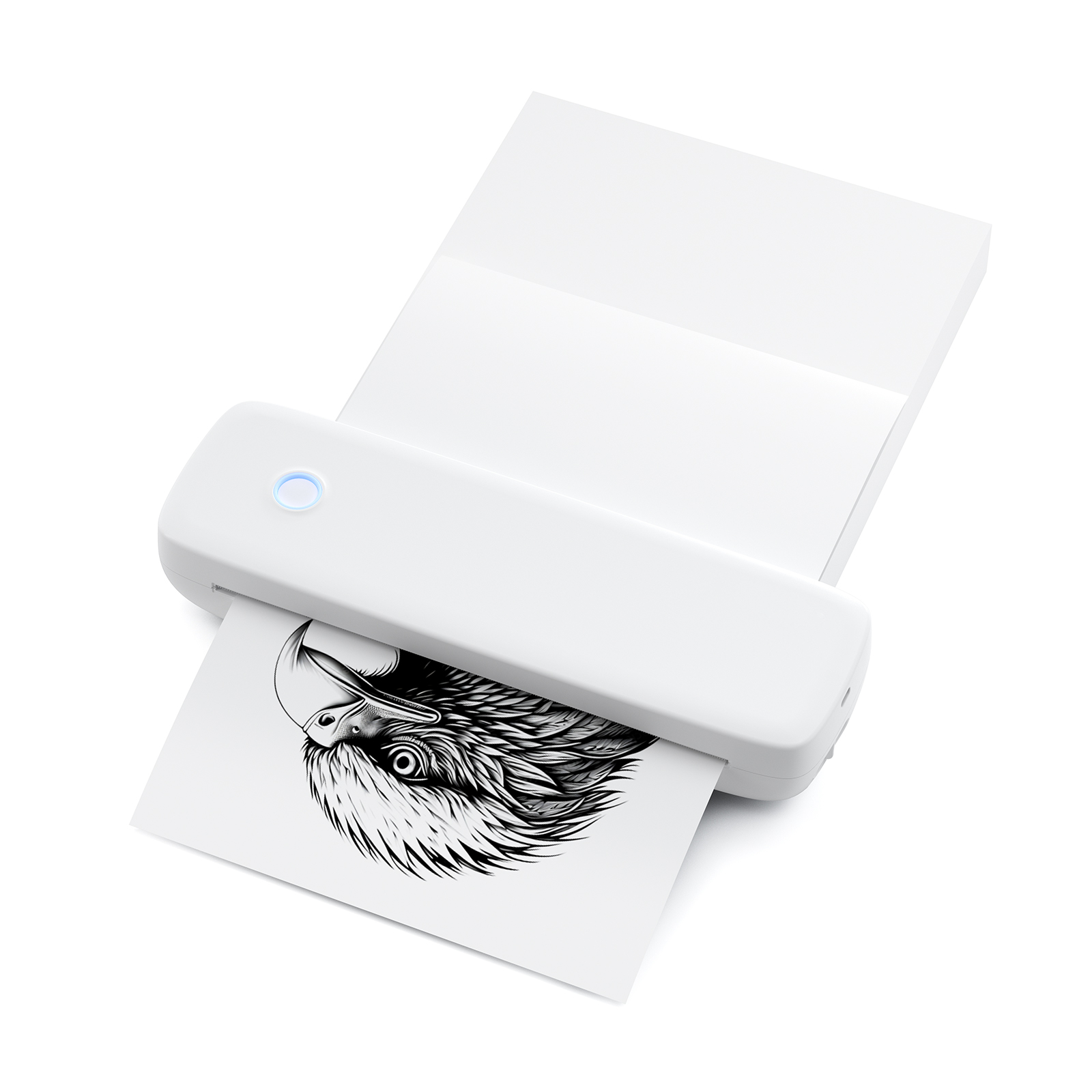
Understanding Thermal Printing Technology
The Science Behind Thermal Printing
Thermal printing operates on a simple yet ingenious principle: applying controlled heat to specialized media to produce images or text. The printing process involves:
- Thermal Print Head – Contains thousands of microscopic heating elements arranged in a line
- Specialized Media – Heat-sensitive paper or labels that react to temperature changes
- Precision Heating – Elements heat up in specific patterns to create the desired output
Types of Thermal Printers
Direct Thermal Printers
- Use heat-sensitive paper that darkens when exposed to heat
- No ink, toner, or ribbon required
- Ideal for short-term applications (receipts, tickets, temporary labels)
- Cost-effective for high-volume printing
- Common in retail POS systems and logistics
Thermal Transfer Printers
- Use a heated ribbon to transfer wax or resin-based ink onto labels
- Produces durable, long-lasting prints
- Excellent for barcodes, product labels, and asset tags
- Preferred in manufacturing, healthcare, and warehousing
- 3.
- Hybrid Thermal Printers
- Combine both direct thermal and thermal transfer capabilities
- Offer flexibility for different printing needs
- Common in industrial and enterprise environments
Key Advantages of Thermal Printers
1. Superior Operational Efficiency
- Faster printing speeds (typically 4-12 inches per second) compared to traditional printers
- Instant drying – no smudging or drying time required
- Quiet operation – minimal moving parts reduce noise
2. Cost-Effectiveness
- Lower consumable costs – no expensive ink cartridges or toner replacements
- Reduced maintenance – fewer mechanical parts mean less wear and tear
- Energy efficient – consumes less power than conventional printers
3. Exceptional Print Quality
- High resolution (up to 600 dpi available) for crisp text and barcodes
- Consistent output – no ink clogging or print head alignment issues
- Precision printing – excellent for small fonts and detailed graphics
4. Reliability and Durability
- Fewer paper jams – simple paper path design
- Longer lifespan – thermal print heads can last for millions of impressions
- Works in various environments – performs well in cold storage, warehouses, and outdoor settings
5. Compact and Versatile Designs
- Space-saving – many models are smaller than traditional printers
- Portable options – battery-powered models available for mobile use
- Flexible media handling – can print on various label sizes and materials
Industry-Specific Applications
Retail and Hospitality
- POS receipt printing – fast, reliable printing for high-traffic checkout areas
- Kitchen order tickets – heat-resistant prints for food service environments
- Price labeling – quick updates for promotional pricing
Healthcare and Pharmaceuticals
- Patient wristbands – durable, smudge-proof identification
- Laboratory specimen labeling – chemical-resistant prints for test tubes and vials
- Prescription labeling – clear, precise dosage instructions
Logistics and Supply Chain
- Shipping labels – weather-resistant prints for package tracking
- Warehouse bin labels – long-lasting identification in harsh environments
- Packing slips – instant printing for order fulfillment
Manufacturing and Industrial
- Asset tagging – durable labels for equipment tracking
- Compliance labeling – meets industry standards for safety information
- Production control – work order tickets and process documentation
Transportation and Ticketing
- Boarding passes – instant printing at check-in counters
- Event tickets – secure printing with barcode/QR code capabilities
- Parking tickets – weather-resistant for outdoor use
Choosing the Right Thermal Printer
When selecting a thermal printer, consider these factors:
- Print Volume – High-volume needs require industrial-grade models
- Print Quality Requirements – Higher DPI for detailed graphics
- Environmental Conditions – Specialized models for extreme temperatures
- Media Compatibility – Label size, material, and adhesive requirements
- Connectivity Options – USB, Ethernet, Bluetooth, or Wi-Fi capabilities
- Software Integration – Compatibility with existing business systems
Maintenance and Care Tips
To maximize your thermal printer's lifespan:
- Clean the print head regularly with isopropyl alcohol
- Use high-quality thermal media to prevent premature wear
- Store printers in clean, dust-free environments
- Replace the platen roller as needed to maintain print quality
- Keep firmware updated for optimal performance
Future Trends in Thermal Printing
The thermal printing industry continues to evolve with:
- Mobile thermal printing – compact Bluetooth-enabled devices
- Color thermal printing – emerging technologies for color applications
- IoT integration – smart printers with remote monitoring capabilities
- Sustainable solutions – eco-friendly thermal papers and ribbons
Conclusion
Thermal printers have established themselves as indispensable tools across countless industries by offering unmatched reliability, efficiency, and cost savings. From retail receipts to industrial-grade asset labels, thermal printing technology provides solutions that traditional printing methods cannot match.
As technology advances, thermal printers continue to evolve, offering even greater capabilities to meet the changing needs of modern businesses. Whether you're looking to upgrade your current printing infrastructure or implement thermal printing for the first time, understanding these systems will help you make the best choice for your specific requirements.
For businesses seeking to improve their operational efficiency while reducing printing costs, thermal printers represent one of the most intelligent investments available in today's market.

 EN
EN