
 EN
EN
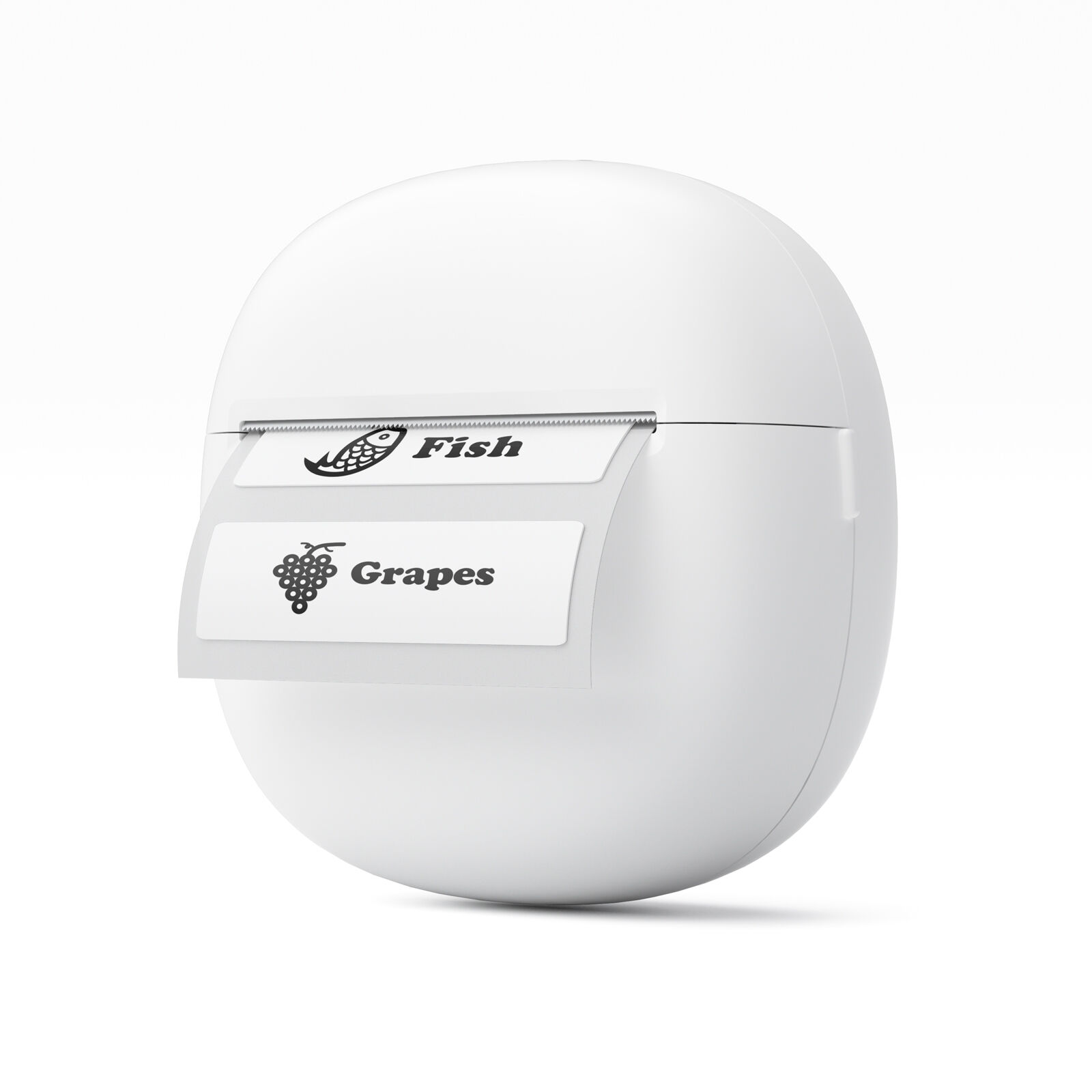
Portabilitet och praktiska användningsfall för miniskrivare
Storlek, vikt och praktik i rörelse: Vad gör en skrivare verkligen portabel?
Bärbarhet handlar egentligen om tre huvudsaker: storlek, vikt och möjligheten att fungera utan sladdar. Traditionella skrivare är tunga vidunder, ofta över 15 pund, medan miniskrivare vanligtvis väger under ett pund och får plats i något som en liten roman. Vi talar om något så lätt att det kan följa med vart som helst. Släng bara in det i en ryggsäck eller till och med i en jackficka när du ska ut. Dessa lilla enheter drivs med batterier, så inget behov av att leta efter eluttag, och de ansluter via Bluetooth direkt från telefoner under resor eller affärsmöten. En annan fördel är att de inte har alla dessa komplicerade rörliga delar som brukar gå sönder vid transport. Tittar du på bärbara alternativ? Välj modeller som väger mindre än 1,5 pund, har minst fem timmars batteritid och någon form av vattenresistens (IPX4-klassning fungerar bra) ifall naturen skulle överraska oss.
Topp-scenarier där en mini-skrivare presterar bäst: Resantecken, kvitton, etiketter och fältdocumentation
Mini-skrivare förbättrar effektiviteten i mobila arbetsflöden genom specialiserade applikationer:
- Resedokumentation : Skriv ut boardingkort, resplaner eller språkguider direkt när Wi-Fi är instabilt
- Transaktionsregister : Generera kvitton på plats vid tillfälliga försäljningar eller servicebesök
- Lagerhantering : Skapa streckkodsetiketter under lagerinventering utan att behöva återvända till kontorsstationer
- Fältforskning : Skriv ut provetiketter eller datalogg direkt efter insamling
- Hälsovårdens arbetsflöden : Skriv ut patientarmband under mobila kliniker eller hembesök
Dessa specifika användningsområden visar hur termiska miniskrivare överträffar större alternativ för professionella som behöver omedelbar fysisk dokumentation utanför skrivbordet. Enkelheten visar sig särskilt värdefull i tidskritiska situationer där traditionella skrivares installationskrav och begränsningar i pappershantering orsakar förseningar.
Skrivarteknologi: Termiska miniskrivare kontra bläck-/tonerkonventionella skrivare
Hur termisk skrivning eliminerar kartuscher, proppar och underhållsproblem
Sättet som termiska miniskrivare fungerar skiljer sig ganska mycket från vanlig tryckteknik eftersom de använder värme istället för bläck- eller tonerkassetter. Traditionella skrivare behöver dessa irriterande kassetter, vilket enligt den senaste branskrapporten från 2023 faktiskt orsakar ungefär en tredjedel av alla skrivproblem. Termisk utskrift fungerar genom att tillföra precis rätt mängd värme till ett speciellt pappersmaterial. Inget behov av att hantera fastnade kassetter eller rengöra igensatta munstycken längre. Personer som byter till dessa sparar i genomsnitt cirka 240 dollar per år på utskriftsförbrukning, och de slipper också frustrationen vid pappershinder när de försöker få jobbet gjort. Fältarbetare uppskattar särskilt hur pålitliga dessa små enheter är. De fortsätter att fungera även när damm kommer in i dem eller fuktigheten förändras, något som skulle stoppa de flesta vanliga skrivare helt under uteinsatser.
| Termisk kontra traditionell underhåll |
|---|
| Kassetter – utbyten |
| Frekvens för rengöring av printkropp |
| Genomsnittlig årlig underhållskostnad |
Genom att förenkla utskriftsprocessen till endast värmeapplikation levererar termoteknik konsekvent prestanda utan förbrukningsvaror – idealiskt för kvitton, fraktsedlar och dokumentation där enkelhet är mer värdefullt än mångsidighet.
Total kostnad för ägande: Varför miniskrivare ger långsiktiga besparingar
Uppläggningskostnad jämfört med 3-års TCO: Hur miniskrivare minskar driftskostnader med upp till 87%
Traditionella skrivare kan vid första anblick verka billigare, men se upp för de dolda kostnaderna som ackumuleras månad efter månad med bläck- och tonerutbyteskostnader. Miniskrivare fungerar annorlunda eftersom de använder termoteknik istället för bläck, vilket innebär att det helt enkelt inte finns några kostnader för kartonshållare. Tänk på det så här: största delen av vad företag spenderar på vanliga skrivare går ändå till förbrukningsvaror – ungefär 62 % om vi talar om tre års utgifter. Vissa branschrapporter indikerar att miniskrivare kan minska driftskostnaderna med nästan 90 % jämfört med standardmodeller. Låt oss gå igenom siffrorna snabbt. Traditionella upplägg kräver att bläcket byts ut varje år, någonstans mellan 150 och 400 USD, plus ytterligare 120 USD per år för underhåll. Och låt oss inte glömma energikostnaderna, som tenderar att vara 4 till 8 gånger högre. Dessa små termoskrivare har inga hopslagna tryckhuvuden eller komplicerade delar som behöver service, så företagsägare rapporterar att de sparar cirka 34 % i fråga om driftstopprelaterade problem. Om man ser på totala kostnader över tre år, sparar många företag faktiskt över 700 USD trots att de betalar mer från början. För personer som bara behöver tillfälliga utskrifter slutar dessa till synes budgetvänliga traditionella alternativ med att kosta mycket mer på lång sikt.
Utskvalitet och funktionalitet: När enkelhet överträffar mångsidighet
Kompromisser när det gäller utskriftskvalitet: Texttydlighet, fototrohet och kompatibilitet med olika media
Det är portabiliteten som gör miniskrivare unika, tack vare termisk skrivarteknik som i grund och botten definierar vad de kan prestera. När det gäller text, som kvitton eller snabba anteckningar, levererar dessa små enheter väldigt skarpa resultat med en upplösning på cirka 200–300 DPI. De slår stort sett alla billiga bläckstråleskrivare med händerna bakbundna, eftersom dessa tenderar att smet när de hanteras för tidigt. Men här kommer baksidan: termiska skrivare kan endast skriva ut i svartvitt, så glöm färgfotografier. Vanliga skrivare är fortfarande klart överlägsna när det gäller bildkvalitet. Hur är det med olika papperssorter? Miniskrivare fungerar utmärkt med klistriga etiketter och tunnt papper, men har svårt med tjockare papper eller blankt fotopapper. Denna begränsning fungerar faktiskt till deras fördel, eftersom det inte finns några bläckpatroner att byta eller komplicerade underhållsrutiner. Det gör dem passande för personer som behöver något enkelt och bärbart istället för avancerade funktioner. Det goda nytt är att nyare termiska skrivare nu kan skapa vissa enkla gråskalebilder också, tillräckligt för diagram eller QR-koder. En hygglig uppgradering utan att förlora den kompakta fördelen som alla uppskattar.
Att välja rätt skrivare: En användarcentrerad beslutsram
Matcha din roll – student, distansarbetare, kreatör eller fältprofessionell – till den idealiska miniskrivaren eller traditionella modellen
Valet mellan miniskrivare och vanliga skrivare handlar egentligen om vad som passar in i någons vardag. Studenter älskar de små termiska skrivarna som de kan ta med sig runt på campus för att skriva ut anteckningar under föreläsningar eller tillverka minneskort direkt i sina studentrum utan att behöva släpa med stora maskiner. För personer som jobbar på distans och behöver vartenda kvadratcentimeter på skrivbordet fungerar dessa små skrivare utmärkt när man bara ibland behöver skriva ut ett dokument. Men om någon skriver ut hundratals sidor varje vecka för rapporter eller fakturor är det mer meningsfullt att välja en vanlig skrivare. Konstnärer och designers behöver ofta något som producerar skarpa bilder och fungerar med olika papperssorter, vilket är anledningen till att många fortfarande väljer bläckstråleskrivare när de ska sammanställa sina portföljer. Personer som spenderar mycket tid utanför kontoret, till exempel byggnadsinspektörer eller sjuksköterskor som gör ronder, förlitar sig ofta på bärbara termiska skrivare eftersom de kan generera kvitton och etiketter var som helst utan att behöva vara inkopplade hela dagen. När man väljer rätt skrivare spelar tre saker framför allt roll, enligt branschforskning som visar att ungefär 88 % av dem som reser för arbete prioriterar portabilitet högst på sin lista. Vilken kvalitetsnivå behöver vi egentligen? Hur ofta kommer denna sak att användas? Att säkerställa att vårt val löser verkliga problem istället för inbillade hjälper till att undvika att köpa något som till slut bara samlar damm.
Vanliga frågor
Vad är en miniskrivare?
En miniskrivare är en kompakt, lättviktig skrivare som är designad för portabilitet, vilket gör att användare kan skriva ut dokument och etiketter på språng utan att vara beroende av kablar eller spretiga uppsättningar.
Hur fungerar termoutskrift?
Termisk skrivning använder värme för att skapa bilder på speciell papperstyp, vilket eliminerar behovet av bläck- eller tonerkassetter och minskar underhållsproblem som är förknippade med traditionella skrivare.
Är miniskrivare kostnadseffektiva?
Ja, även om miniskrivare har en högre initial kostnad minskar de driftskostnaderna avsevärt genom att eliminera kassettkostnader och erbjuda bättre hållbarhet, vilket leder till långsiktiga besparingar.
Kan miniskrivare skriva ut i färg?
Nej, miniskrivare producerar vanligtvis svartvita utskrifter, men nyare modeller erbjuder grundläggande gråskalabilder tillräckliga för diagram och QR-koder.
Innehållsförteckning
- Portabilitet och praktiska användningsfall för miniskrivare
- Skrivarteknologi: Termiska miniskrivare kontra bläck-/tonerkonventionella skrivare
- Total kostnad för ägande: Varför miniskrivare ger långsiktiga besparingar
- Utskvalitet och funktionalitet: När enkelhet överträffar mångsidighet
- Att välja rätt skrivare: En användarcentrerad beslutsram
- Vanliga frågor