
 EN
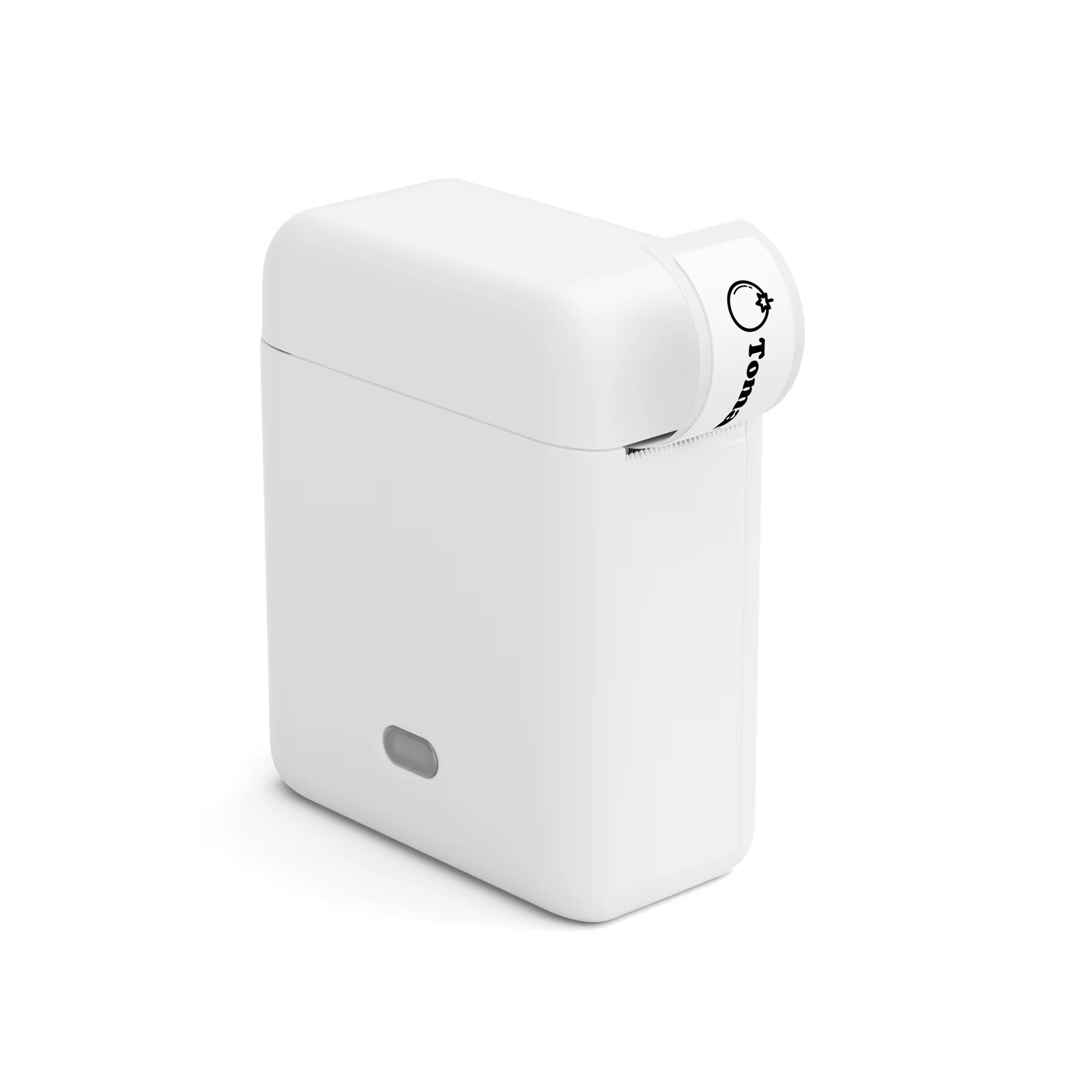
Decoding Thermal Printer Port Options
When setting up a busy fulfillment warehouse or a bustling retail packing counter, you might spend hours choosing the right print resolution, checking thermal head durability, or comparing paper rolls. Yet, operational bottlenecks often boil down to one overlooked detail: how your device actually talks to your computer or network infrastructure. Picking the right connectivity port on a thermal label printer determines whether your packing stations run like clockwork or suffer from frustrating freezes during peak rush hours. Real-world deployment experience shows that mismatched ports, unstable drivers, or poor communication links can grind a shipping line to a complete halt, costing businesses valuable time, labor, and customer goodwill. Understanding what each interface brings to the table helps IT managers, warehouse supervisors, and business owners design robust, friction-free printing ecosystems tailored precisely to their daily operational realities. Furthermore, optimizing these communication pathways significantly enhances overall system uptime, reduces maintenance overhead, and ensures seamless data transmission across complex enterprise networks without frustrating lag or dropped print jobs during high-volume sales events and holiday fulfillment surges. Additionally, proper interface selection streamlines overall hardware management and decreases troubleshooting frequency across distributed industrial facilities while maximizing daily productivity. Moreover, establishing standardized connection protocols prevents costly workflow disruptions when expanding enterprise systems or integrating new software applications into existing warehouse frameworks.
Wired Reliability for Heavy Workstations
At a stationary packing desk where speed and continuous volume are everything, hardwired connections remain the gold standard for bulletproof stability and continuous operation. Standard Universal Serial Bus ports and traditional serial interfaces deliver direct, zero-latency data streams straight from the host workstation to the printing mechanism without missing a beat. Unlike wireless signals that can occasionally wobble, degrade, or drop packets in heavy industrial spaces filled with thick concrete walls and large metal machinery, a hardwired setup guarantees instant command execution and rock-solid data integrity during massive batch-printing runs. Furthermore, older serial and parallel ports still hold a vital spot in specialized manufacturing plants and legacy enterprise resource planning setups, proving that traditional wired engineering continues to offer unmatched mechanical dependability, enhanced security, and straightforward plug-and-play simplicity for fixed workstations where mobility is neither required nor desired. Additionally, hardwired systems eliminate concerns regarding wireless security vulnerabilities or unauthorized network intrusion attempts.
Network Flexibility for Distributed Warehousing
As modern fulfillment centers expand across sprawling facilities and multi-story warehouses, running physical cables to every single workstation turns into a logistical nightmare and a safety hazard. Integrating local area network Ethernet ports or enterprise Wi-Fi modules transforms a standard machine into an addressable network node that can live anywhere within the building footprint. This shift allows multiple packing lanes across different floors or separate shipping docks to fire off labels simultaneously from a central cloud database or warehouse management system. Network-enabled setups remove the need for dedicated host computers attached to every single printer, drastically cutting hardware clutter, lowering physical equipment overhead, and providing effortless scalability for growing businesses handling heavy daily parcel volumes, urgent shipments, and complex multi-carrier fulfillment operations. Furthermore, network connectivity allows IT personnel to monitor printer health, update firmware remotely, and diagnose potential communication faults without physically visiting every workstation on the floor.
Bluetooth Agility for Mobile Point of Sale
For mobile carts, retail pop-up counters, dynamic inventory auditing teams, and roaming floor staff, physical cables are completely out of the question. Modern Bluetooth connectivity and wireless pairing protocols bridge the gap between handheld data collection and physical label generation on the fly. By pairing a portable device instantly with tablets or smartphones running various operating systems, operators can print barcodes, shelf tags, or shipping waybills right where they stand. Industry veterans note that cutting the cord reduces physical fatigue, clears up cramped counter space, and speeds up checkout or inventory tagging tasks dramatically in fast-moving retail and field logistics environments, transforming how frontline staff handle customer-facing workflows, mobile inventory audits, and field service operations. Furthermore, modern near-field and Bluetooth pairing technologies ensure quick, secure connections that withstand interference from surrounding electronic devices in busy commercial settings.
Manufacturing Excellence and Supply Chain Capabilities
Delivering industrial-grade connectivity, multi-protocol compatibility, and seamless software integration to the global market requires sophisticated engineering, strict quality control, and robust manufacturing capacity. Lujiang has established itself as an industry leader specializing in the comprehensive research, development, and manufacturing of professional thermal printing solutions, alongside world-class original design and custom production services. Backed by advanced research facilities, independent intellectual property rights, and stringent international quality standards, Lujiang seamlessly builds versatile interface options into every thermal label printer. Whether executing customized production runs for global lifestyle brands or supplying reliable mobile hardware to thousands of businesses across international borders, Lujiang leverages advanced supply chain execution and scalable manufacturing prowess to ensure every device meets the exact demands of modern commercial environments. Furthermore, robust supplier partnerships and rigorous factory testing protocols guarantee consistent product availability and exceptional long-term reliability for distributors worldwide.
Optimizing Your Infrastructure for Long Term Success
Selecting the ideal communication port requires a careful look at your specific facility layout, device mobility needs, and daily data flow volumes. By balancing the rock-solid reliability of wired connections with the expansive reach of local networks and the nimble agility of mobile wireless tech, organizations can future-proof their entire printing infrastructure against technological obsolescence. Partnering with a dependable, innovation-driven manufacturing partner like Lujiang ensures that businesses, system integrators, and global distributors gain access to versatile, high-performance thermal printing hardware built specifically to drive efficiency, minimize downtime, and maximize long-term commercial success across all industries worldwide.