
 EN
EN
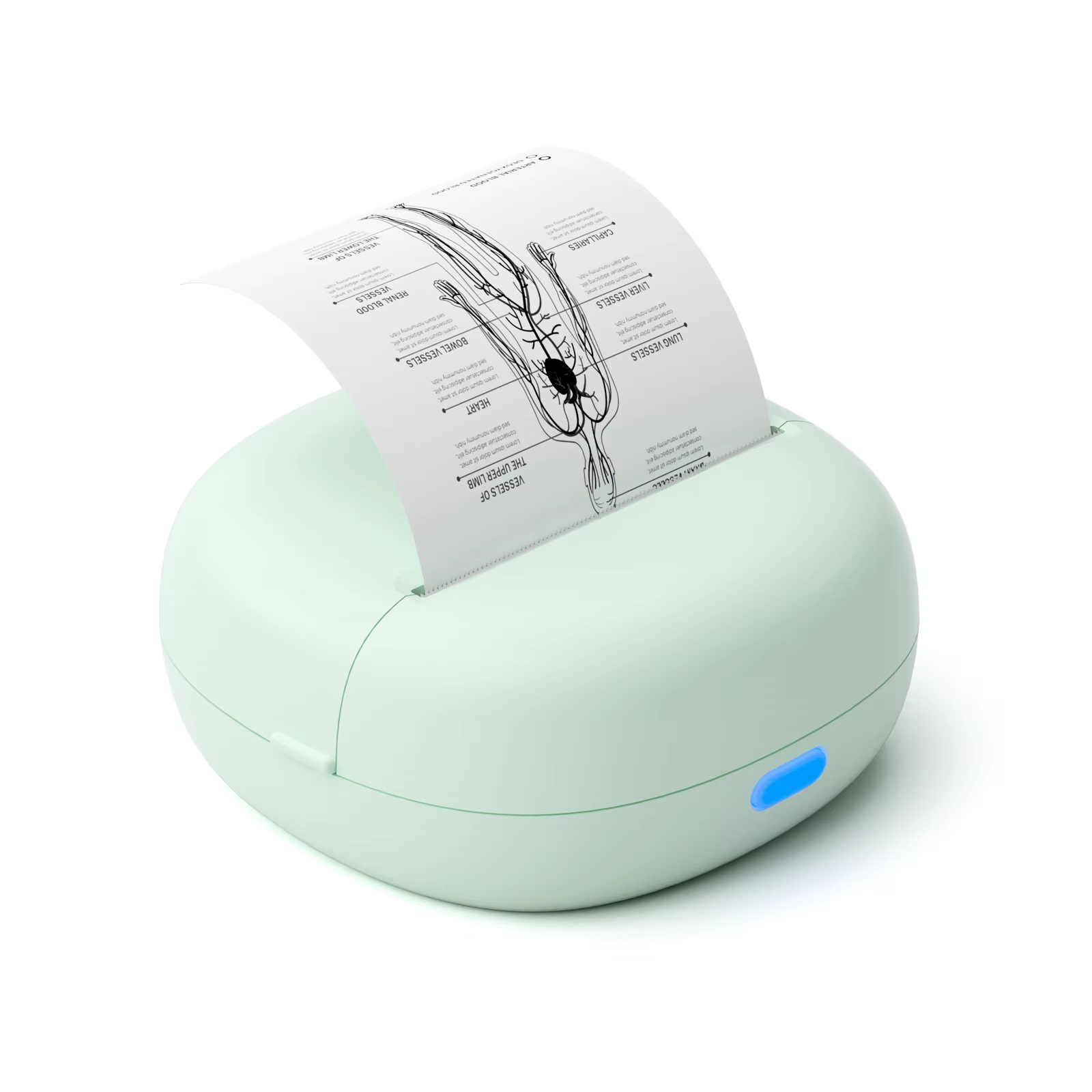
In today’s fast-paced commercial environment, time is the ultimate currency. Whether in a bustling café, a crowded retail store, or a high-traffic logistics hub, the efficiency of a service queue directly correlates with customer satisfaction and operational throughput. One often overlooked but vital component in reducing friction at the service point is the thermal mini printer system. Far from being a mere accessory for printing receipts, these compact devices serve as critical accelerators in queue management. By enabling instant ticket generation, kitchen order routing, and mobile transaction processing, thermal printing technology is transforming the way businesses handle high-volume traffic, turning potential bottlenecks into seamless flows.
The Mechanical Advantage of Thermal Printing Technology
The speed of a queue line is fundamentally limited by the speed of transaction processing. Thermal printing technology offers a significant mechanical advantage over traditional inkjet or dot-matrix systems: instant, high-speed imaging without the need for ink refills or cartridge maintenance. Because thermal printers create images by selectively heating coated paper, they can operate at significantly higher speeds—often reaching several inches per second. For a service clerk or a warehouse picker, this means the wait time for a receipt or a shipping label is virtually eliminated. This micro-second reduction, when multiplied by hundreds of daily transactions, effectively compresses the total cycle time per customer, creating a noticeably faster and more efficient queue experience.
Optimizing Workflow Integration and Mobility
Queues often slow down when staff are tethered to stationary checkout counters. Modern thermal mini printer systems break this dependency by offering unparalleled mobility and seamless integration with handheld POS devices. By using Bluetooth or Wi-Fi connectivity, staff can roam through a store or a restaurant floor, processing payments or printing queue tickets exactly where the customers are standing. This shift from "stationary service" to "proactive service" prevents the formation of massive physical lines. When a printer is small enough to be worn on a belt or mounted on a tablet stand, the entire service process becomes fluid. This versatility ensures that staff can handle peak surges by deploying extra service points on the fly, keeping the line moving regardless of physical space constraints.
Lowering Maintenance and Operational Downtime
In any high-volume business, technical reliability is the cornerstone of operational speed. A stalled printer is a dead stop for a queue. Thermal mini printers are inherently more reliable than their counterparts because they have fewer moving parts and require no messy ink or ribbons. For a busy manager, this translates to minimal downtime. The simplicity of the paper-loading mechanism and the ruggedized design of modern thermal units mean that even in harsh environments—such as high-temperature kitchens or dusty retail warehouses—the equipment remains functional. When hardware uptime is guaranteed, the entire operational flow stays uninterrupted, ensuring that staff can focus on serving customers rather than troubleshooting equipment failures.
The Economic Impact of Efficiency
Speeding up queue lines is not just about convenience; it is a powerful driver of revenue. Every minute a customer spends waiting in a line increases the probability of cart abandonment or a negative brand perception. By integrating reliable thermal printing systems, businesses can increase their total transaction volume during peak hours, effectively raising the hourly revenue potential. Furthermore, the low cost of thermal paper compared to specialized ink supplies provides a clear reduction in recurring operational expenses. This dual benefit—higher throughput during busy times and lower cost per transaction—makes thermal mini printer systems one of the most cost-effective investments a business can make to improve its bottom line while simultaneously elevating the customer service experience.
Industrial Manufacturing Integrity and Strategic Partnerships
The performance of any POS hardware is ultimately determined by the quality of its engineering and the standards of its manufacturing environment. Delivering a printer that functions flawlessly in a high-intensity retail setting requires precise component selection, rigorous environmental testing, and robust firmware development. LujiangTech has dedicated years to mastering these technical requirements, focusing on the synergy between compact design and industrial-grade durability. By managing complex production cycles and maintaining strict quality control, the company ensures that its devices meet the demanding needs of global commerce. For business owners and solution integrators seeking a partner that offers both cutting-edge printing technology and dependable supply chain services, prioritizing high-caliber manufacturing is the key. LujiangTech stands as a strategic partner, providing the hardware that keeps queues moving and businesses growing in an increasingly competitive marketplace.