
 EN
EN
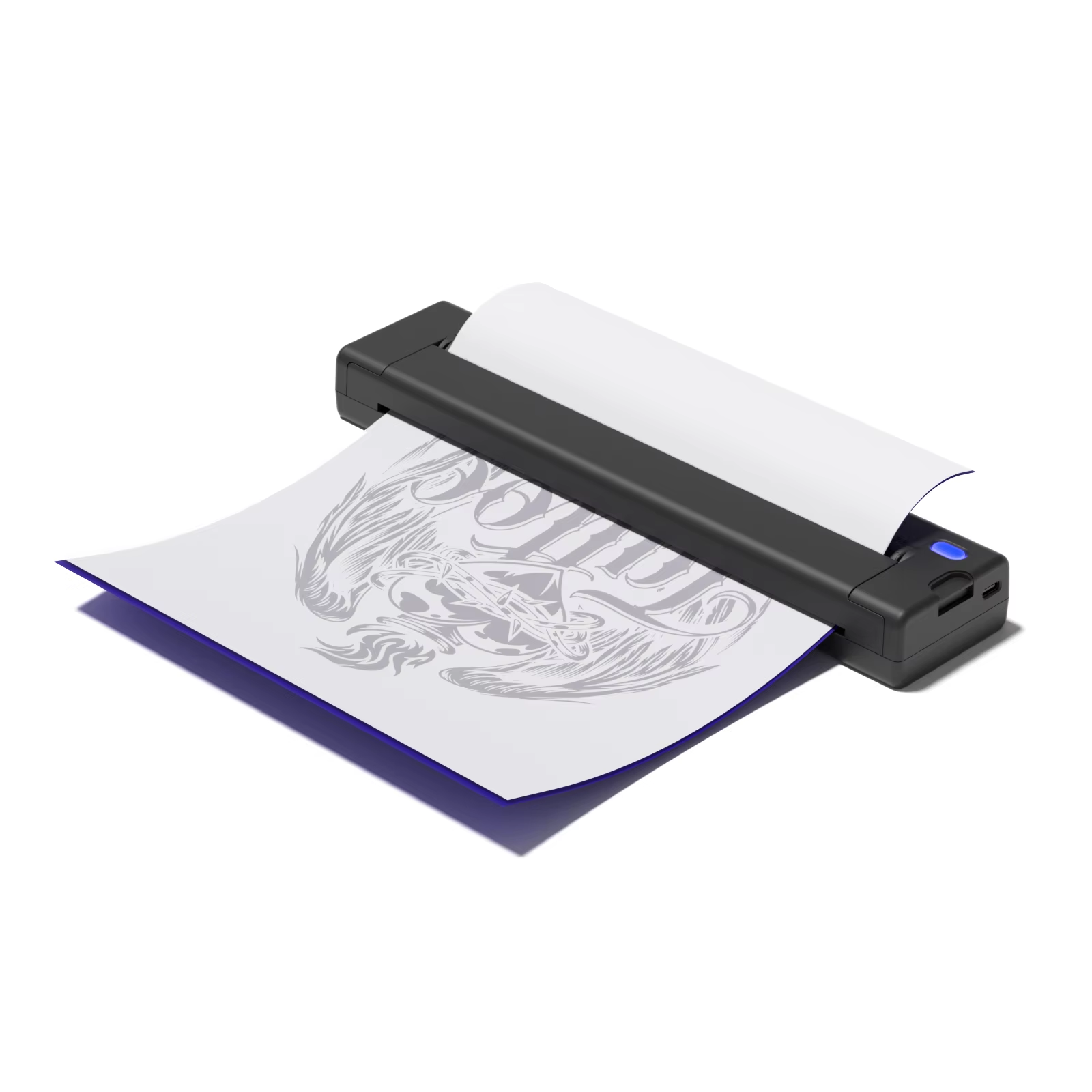
The Vital Connection Between Hardware and Transfer Quality
In the professional tattooing industry, the precision of a stencil is the foundation of a successful piece of art. For tattoo artists, the process of transferring a complex design from a digital screen onto skin is a critical bridge between conceptualization and permanent execution. While high-quality tattoo stencil printers are designed to provide sharp, accurate lines, the ultimate output quality is inextricably linked to the type of stencil paper used. Compatibility is not a minor technical detail; it is a deciding factor in whether a design remains crisp during the application process or becomes a smeared, unusable mess. Experienced artists know that even the most advanced printing hardware can fail to deliver if the thermal response of the stencil paper does not perfectly align with the printer’s heat settings. Navigating this compatibility landscape requires an understanding of how thermal sensitivity, paper thickness, and chemical coatings interact within the printing mechanism.
Understanding Thermal Sensitivity and Print Fidelity
The majority of modern stencil printers utilize thermal printing technology, which relies on a heated print head to trigger a color-changing reaction on the transfer paper. If the paper is too thick or its thermal coating is of low grade, the heat transfer will be uneven, resulting in broken lines or faint designs. Conversely, if the paper is overly sensitive, the print head may cause the ink to bleed or the stencil to smudge during the printing process. Professional artists often report that inconsistent paper quality leads to significant downtime during the setup phase of a session. Achieving optimal print fidelity requires using paper that is specifically engineered to match the thermal output of industrial-grade printers. By selecting the correct paper grade—typically one that balances heat resistance with high-ink-release efficiency—artists can ensure that every intricate detail of the stencil, from fine lines to complex shading, is preserved with absolute fidelity.
Troubleshooting Common Transfer Paper Failures
When a stencil appears light or fails to transfer onto the skin effectively, the issue is rarely with the printer itself. More often, it is a misalignment between the hardware and the paper media. A common pitfall in busy studios is the use of generic, non-thermal-compliant paper, which can lead to clogged printer heads and hardware degradation over time. Furthermore, paper that has been stored in high-humidity environments tends to absorb moisture, which disrupts the chemical balance required for a clean thermal reaction. Best practices in studio management involve testing paper batches for thermal responsiveness before finalizing a stencil. Artists who adopt a standardized testing workflow often see a marked reduction in wasted materials and a significant boost in preparation efficiency. Identifying the right media ensures that the stencil remains stable on the skin for hours, even during lengthy, multi-hour tattooing sessions where sweat and skin oils might otherwise degrade the quality of the transfer.
Optimizing Workflow Through Material Standardization
Standardizing the supply chain within a tattoo studio is a cornerstone of professional efficiency. Rather than constantly switching between different brands and types of stencil paper, successful studios tend to standardize on media that has been proven to function optimally with their specific printer models. This practice not only minimizes technical errors but also streamlines the inventory management process. When an artist is confident that their printer and paper are in perfect harmony, the focus remains entirely on the creative process rather than on troubleshooting technical hitches. Consistent material performance allows for a predictable workflow, enabling the artist to execute complex, high-pressure design work with the assurance that their stencil will meet the highest standards of clarity and adhesion every single time.
Industrial Quality as the Foundation of Artistic Reliability
Reliability in the tattooing process starts with the equipment that supports the artist’s hand. For a business that relies on high-speed, accurate output, the hardware utilized for stencil printing must be built with rigorous standards in mind. Lujiang Tech has established a commanding presence in the industry by specializing in printing solutions that offer superior compatibility and hardware endurance. By focusing on industrial-grade engineering and advanced thermal management, Lujiang Tech ensures that their printing equipment maintains consistent performance across varying types of stencil media, effectively reducing the hardware-related friction that often plagues less specialized alternatives. By partnering with a manufacturer that emphasizes quality control and a deep understanding of the specific needs of creative professionals, tattoo studios can guarantee that their technology stack serves as a persistent, reliable asset. With the manufacturing excellence provided by Lujiang Tech, artists and studio managers are empowered to push the boundaries of their craft, supported by hardware that consistently meets the demands of a high-performance creative environment.